
New York
Our mission is to save lives by meeting the most critical needs of our communities and investing in breakthrough research to prevent and cure breast cancer.
New York
Our mission is to save lives by meeting the most critical needs of our communities and investing in breakthrough research to prevent and cure breast cancer.
Need Help?
Call our breast care helpline to assist with finding local screening and diagnostic facilities or clinical research trials, requesting financial assistance, or other questions or care needs.
Get Involved
Help us reach our vision of a world without breast cancer by getting involved in our local community.
Susan G. Komen Greater New York City
Race for the Cure
Sunday, September 8, 2024
Join us as we unite in the fight against breast cancer. Together, we’ll raise crucial funds to help those impacted by breast cancer when they need it most.
Ending breast cancer needs hope.
Ending breast cancer needs compassion.
Ending breast cancer needs all of us.

Join Team Komen for the TCS Marathon
Sunday, November 3, 2024
Susan G. Komen is an official charity partner for the 2024 TCS New York City Marathon taking place on Sunday, November 3, 2024. As a Community Level partner with limited slots, we expect interest to be high to run the Marathon as a part of Team Komen. Please submit an interest form to be considered as a runner for this year’s event.
Get Involved as an Advocate
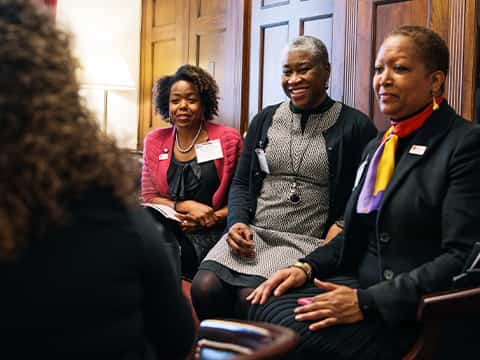
Being an advocate for breast cancer awareness and research funding is one of the best ways you can make a difference.
Only through government action can we make the broad, systemic and lasting change we need to help us achieve our goal of reducing the current number of breast cancer deaths in the U.S. By mobilizing our communities to take action, we can ensure the voice and needs of those with breast cancer and their loved ones are heard by policymakers and government regulators.
Learn More About Becoming an Advocate

Go Pink for the Cure
Start Today!

Start an Impact Fundraiser
Collect Donations and Help Save Lives!
YOU can make a BIG IMPACT in the fight against breast cancer! Komen has the tools you need to start your own individual or group fundraiser – or great ideas to share if you’re not sure where to start! Everything you need to set up customized fundraising webpage(s), connect to Facebook, utilize email & social media templates, engage your donors, and more.
Create a FundraiserLocal Events
Join the fight to end breast cancer by attending an event in New York!
Questions? Contact Us

ShareForCures
Your breast cancer information is as unique as you are. When combined with thousands of other ShareForCures members, you provide scientists with a more diverse set of data to make new discoveries, faster.
Latest News & Information

Nikki’s Story: I’m Not Going to Let Cancer Steal My Sparkle
Nikki Anderson’s cancer journey began with a uterine cancer diagnosis in her 30s, which was followed by a breast cancer diagnosis six years later. She celebrates her journey by fundraising for the Komen 3-Day with Team Sparkle, inspired by her own adage: “I’m not going to let cancer steal my sparkle.”
The post Nikki’s Story: I’m Not Going to Let Cancer Steal My Sparkle appeared first on Susan G. Komen®.

Susan G. Komen® Peoria MORE THAN PINK Walk Raises Funds for Breast Cancer Patient Care Services in Illinois
Susan G. Komen®, the world’s leading breast cancer organization, will hold the Susan G. Komen Peoria MORE THAN PINK Walk on Saturday, May 11, 2024, at Metro Centre. This signature event enables Komen to raise critical funds that provide direct support to breast cancer patients, fund groundbreaking research, empower health equity initiatives nationwide, and advocate […]
The post Susan G. Komen® Peoria MORE THAN PINK Walk Raises Funds for Breast Cancer Patient Care Services in Illinois appeared first on Susan G. Komen®.
New York
Contact Us
Susan G. Komen New York

Executive Director: Stacie Spitzkoff
Email: sspitzkoff@komen.org
Phone: 332-334-0872